Destination Wedding in India: Why International Families Choose Jaipur
A wedding away from home should offer more than an attractive venue. It should create an experience that brings families together, introduces guests to a new culture, and gives every ceremony a memorable setting. This is why Jaipur has become one of the most desirable choices for international families planning a destination wedding in India.
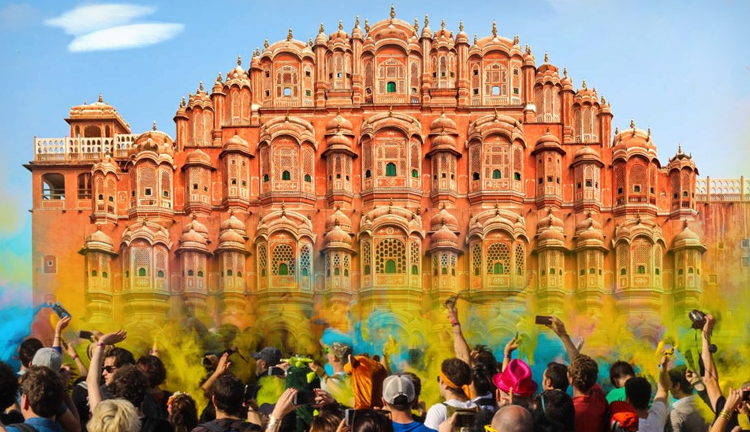
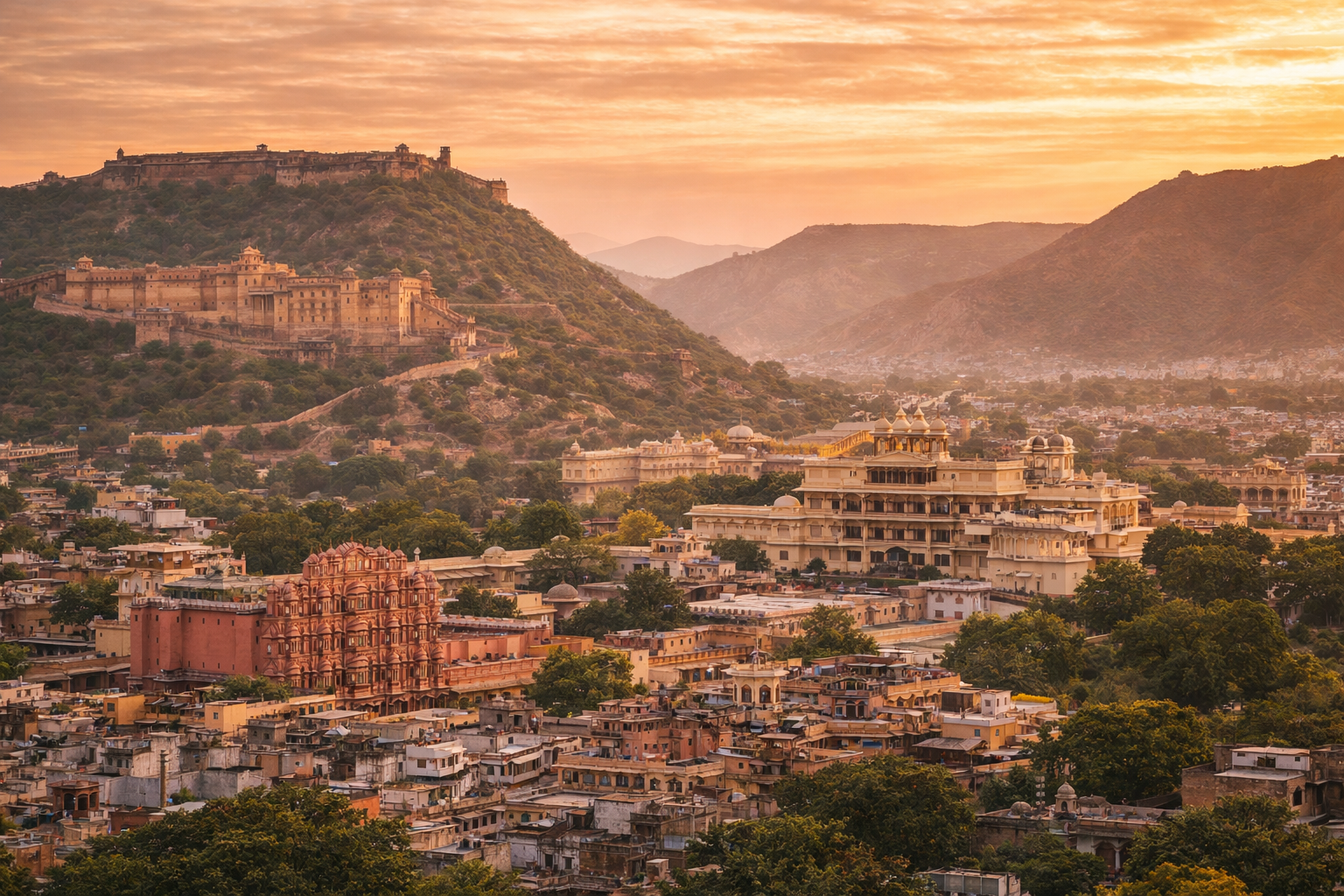
Known as the Pink City, Jaipur combines historic palaces, colourful traditions, luxury hospitality, skilled artisans and convenient access to major Indian cities. For families travelling from the United States, the United Kingdom, Europe, the Middle East, Australia or Southeast Asia, Jaipur presents India in a form that feels grand, welcoming and culturally rich.
The city is especially suited to multi-day Indian weddings. A mehendi can be held in a garden, a sangeet in an ornate hall, the wedding ceremony in a historic courtyard and the reception under the stars. Instead of constructing a royal-looking stage inside a modern hotel, couples can celebrate within buildings that already carry generations of history.
Jaipur Offers the India International Families Imagine
When overseas guests think of India, they often picture magnificent palaces, decorated courtyards, colourful clothing, traditional music, flower-filled ceremonies and generous hospitality. Jaipur brings all these elements together in one destination.
Founded in 1727 by Maharaja Sawai Jai Singh II, Jaipur became known for its planned streets, royal buildings, craftsmanship and distinctive pink architecture. Today, the city combines its historic character with the facilities expected by modern international travellers. This balance is important for a destination wedding: families want heritage, but they also need comfortable rooms, professional event management, varied food, reliable transport and suitable indoor alternatives.
A couple can welcome guests with folk musicians and traditional refreshments in the afternoon, organise a contemporary cocktail evening at night and hold sacred wedding rituals in a heritage courtyard the following day. Each event can have a different personality without requiring guests to move between distant destinations.
A Genuine Palace Wedding in India
A palace wedding in India is different from a palace-themed celebration. In Jaipur, couples can marry in surroundings connected to royal families, historic architecture and generations of ceremonial life. Arched corridors, carved doors, inner courtyards, painted walls, chandeliers, marble floors and landscaped gardens provide a natural wedding backdrop. These details do not need to be recreated through temporary decoration; the venue itself becomes part of the visual experience.
This is especially valuable for international families. Guests are not simply attending a private event; they are discovering Rajasthan’s history and design traditions. Walking through a palace entrance or dining in a heritage hall makes the wedding feel connected to its location. Photographs gain a sense of place, with palace balconies, traditional gateways, garden pavilions, antique interiors and the warm colours of Jaipur forming the setting.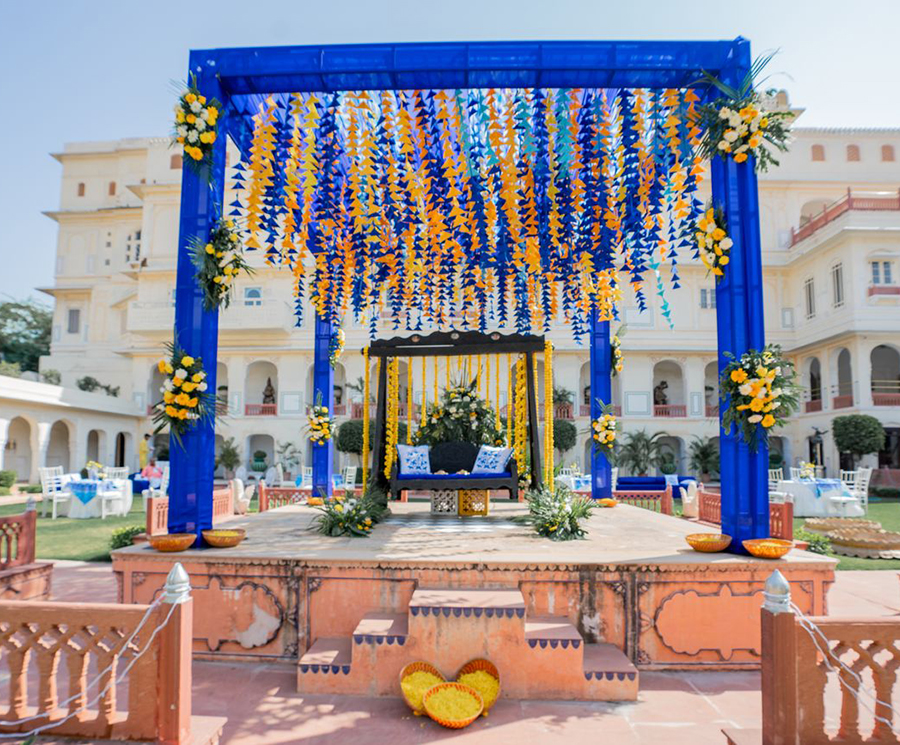
Four Historic Palaces Associated with Jaipur
Many properties use words such as “palace” or “heritage,” but international couples looking for authenticity should understand the difference between an old royal residence and a modern venue built in a historic style. Four notable palaces are closely associated with Jaipur’s royal identity.
1. The Raj Palace
The Raj Palace, established in 1727, is one of Jaipur’s historic palace properties and is located near Jorawer Singh Gate on Amer Road. Its wedding spaces include heritage halls, courtyards, gardens, terraces and areas suitable for both intimate gatherings and larger celebrations.
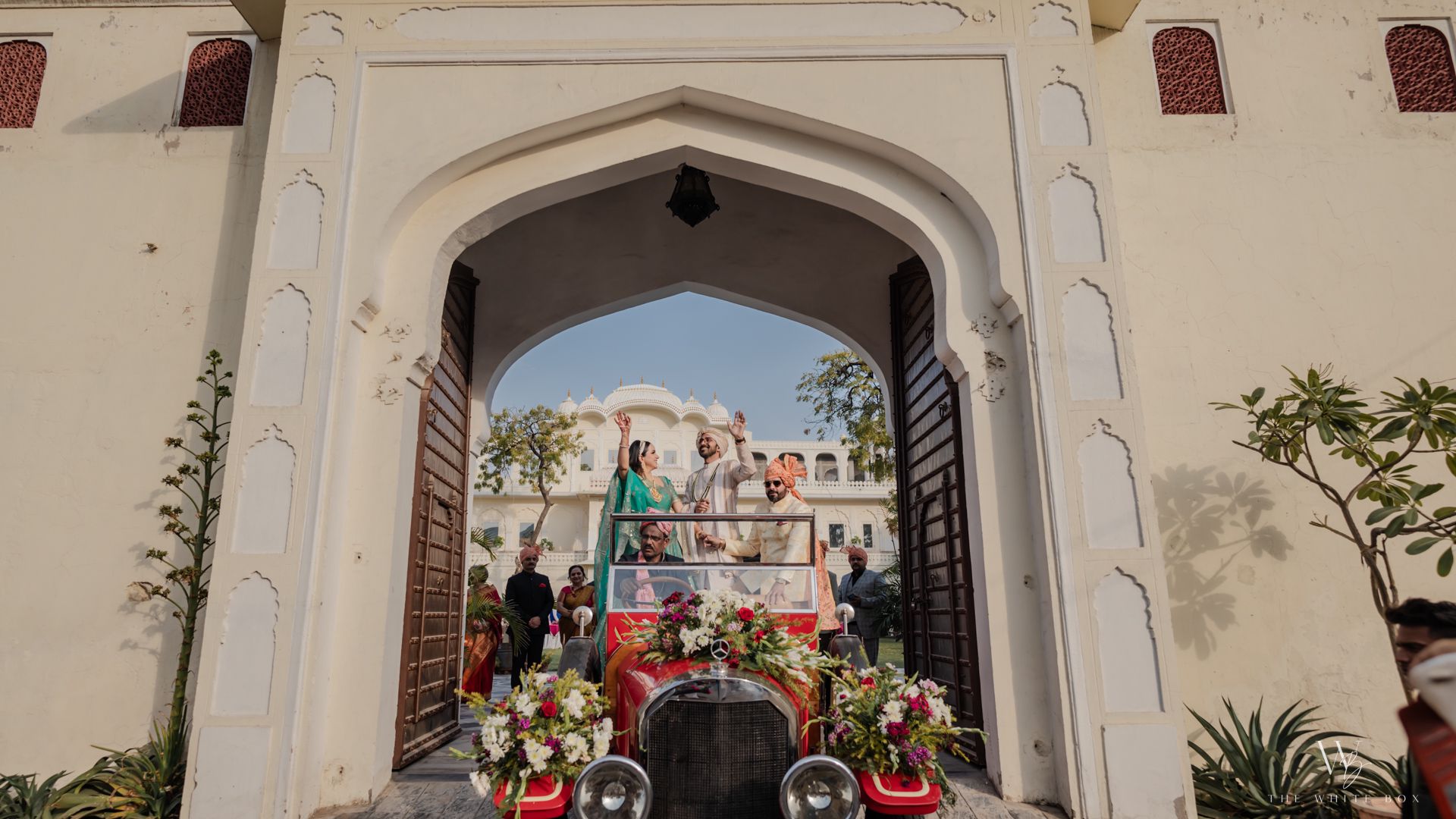
The palace presents spaces for mehendi, sangeet, engagement ceremonies, cocktail evenings, baraat arrivals, mandaps, receptions and farewell meals. Outdoor choices include Charbagh, Maharani Bagh, Shahi Bagh and the Hawa Mahal Terrace. For an international family, keeping accommodation, ceremonies, dining and guest experiences within one property can simplify logistics considerably.
2. City Palace, Jaipur
City Palace stands within Jaipur’s historic centre and remains one of the city’s most important royal landmarks. Built by Maharaja Sawai Jai Singh II, the complex includes courtyards, gateways, galleries and royal structures that reflect a blend of Rajput and Mughal influences. Even when a wedding is held elsewhere, many families include City Palace in their guest itinerary or pre-wedding photography plans, subject to official permissions.
3. Rambagh Palace
Rambagh Palace began as a royal residence and later became one of Jaipur’s best-known luxury palace hotels. Its marble corridors, formal gardens and historic interiors represent a polished and highly formal expression of royal hospitality. For couples comparing a luxury Rajasthan wedding venue, Rambagh Palace illustrates how a genuine historic residence can be adapted for contemporary guests while retaining its architectural character.
4. Rajmahal Palace
Rajmahal Palace is another historic royal property associated with Jaipur. Known today as a luxury heritage hotel, it offers a more intimate, residential expression of royal Jaipur. Its gardens and refined interiors suit smaller celebrations, welcome dinners and exclusive family gatherings. Together, The Raj Palace, City Palace, Rambagh Palace and Rajmahal Palace represent four distinct sides of Jaipur’s royal heritage.
A Jaipur Wedding Palace Can Host Every Ceremony Differently
One of Jaipur’s greatest strengths is its suitability for a multi-event wedding schedule. Indian weddings commonly include several functions, while international families may add western-style welcome dinners, rehearsal gatherings or farewell brunches. A well-planned Jaipur wedding palace can give each event a different setting without making the programme feel repetitive.
Mehendi in a Garden
A daytime mehendi works beautifully in a palace garden. Colourful cushions, low seating, marigolds, printed fabrics and folk music create a relaxed introduction to the wedding. The Raj Palace describes mehendi celebrations in its Shahi Bagh Gardens with Rajasthani decor and traditional seating. For overseas guests, this is often their first close experience of Indian wedding customs.
Sangeet in a Heritage Hall
The sangeet needs a stage, lighting, sound equipment and enough room for performances. An ornate indoor hall provides visual richness and protection from unexpected weather. Families can combine traditional dances with modern music, speeches and multimedia presentations, making the evening accessible to guests from different cultures and generations.
Haldi in a Courtyard
A palace courtyard provides a warm, intimate setting for the haldi ceremony. Yellow flowers, brass vessels, simple fabrics and sunlight are often enough to create a beautiful scene. Because the ceremony can become lively, planners should select a location with suitable flooring, changing facilities and an easy service route.
Wedding Ceremony and Reception
The mandap can be placed in a garden, courtyard or indoor ceremonial space. The Raj Palace presents options ranging from traditional floral mandaps to crystal canopies and theme-based structures. An outdoor ceremony can highlight Jaipur’s architecture, while an indoor venue provides comfort during very hot, cold or rainy conditions. A reception on a lawn or terrace can combine formal dining, live music, floral installations and palace illumination.
Hospitality That Works for Multicultural Families
International weddings bring together guests with different languages, food preferences, religious customs and travel habits. Jaipur’s established luxury hospitality industry is experienced in managing these requirements. A thoughtful programme may need airport transfers, multilingual welcome assistance, vegetarian and Jain menus, allergy-sensitive meals, child-friendly arrangements, support for elderly guests, ceremony explanations and flexible arrival schedules.
Food is especially important. The Raj Palace describes menus that may include Rajasthani royal recipes alongside Indian, Continental, Asian and Mediterranean dishes, as well as live cooking stations and customised menus. This allows families to introduce guests to local cuisine without making every meal unfamiliar. A welcome dinner might feature approachable Indian dishes, while the wedding feast can present traditional Rajasthani flavours in a more ceremonial way.
Jaipur Gives Guests a Complete Travel Experience
A successful destination wedding should feel like a holiday as well as a celebration. Jaipur gives families many ways to engage guests between functions. Popular experiences include City Palace, Hawa Mahal, historic Amer and Jaipur’s traditional markets. Guests can also explore jewellery, textiles, block printing, blue pottery and other local crafts.
Private programmes may include guided heritage walks, palace and museum visits, block-printing demonstrations, jewellery shopping, Rajasthani cooking experiences, folk performances or afternoon tea in a heritage setting. These activities are useful when guests arrive before the wedding or stay for additional days. They transform the journey into a meaningful introduction to Rajasthan.
Strong Visual Identity Without Excessive Decoration
Jaipur already has a powerful design language. Pink facades, sandstone, painted ceilings, carved arches, mirror work, royal portraits, patterned textiles and gardens give wedding planners an extensive creative foundation. Decor can therefore support the palace rather than hide it.
For a traditional celebration, planners may use marigolds, roses, brass lamps, block-printed fabrics and handcrafted umbrellas. For a modern event, they may choose white flowers, candlelight and restrained furniture, allowing the architecture to remain the focus. The Raj Palace describes decor possibilities ranging from royal heritage and cultural traditions to modern luxury, floral concepts and custom fusion themes.
International couples can also combine cultures thoughtfully. A western-style dinner may be held in a palace courtyard, while the wedding ceremony follows Indian traditions. Menus, music and stationery can reflect both families without making the celebration visually confusing.
Practical Advantages of Choosing Jaipur
Beauty may attract couples to Jaipur, but practical considerations help families make the final decision. Jaipur is connected by air, road and rail to major Indian cities. International guests commonly travel through Delhi or Mumbai, and the road journey from Delhi makes Jaipur suitable for guests combining the wedding with a wider India itinerary.
The city has accommodation across luxury, heritage and modern hotel categories, allowing hosts to create different room options while keeping guests within manageable travelling distance. Jaipur also has an established network of planners, decorators, caterers, photographers, entertainers, makeup artists and logistics professionals. Local artisans can create personalised gifts, fabrics, stationery, jewellery boxes and decorative pieces connected to Rajasthan.
Couples should still confirm permissions, sound restrictions, event timings, fireworks rules, outdoor entertainment requirements and heritage-site photography policies directly with venues and relevant authorities.
Choosing the Right Rajasthan Wedding Venue
Not every palace suits every wedding. Before confirming a Rajasthan wedding venue, families should compare practical details as carefully as the photographs.
- How many guests can the venue accommodate comfortably?
- How many rooms are available on the property?
- Can the ceremonies be held in separate spaces?
- What is the indoor backup for every outdoor event?
- Are outside planners and vendors permitted?
- What sound and event-time restrictions apply?
- Can the catering team manage cultural and dietary requirements?
- Is the venue accessible for senior guests?
- Which areas are included exclusively in the wedding agreement?
- Are taxes, service charges and setup costs clearly stated?
Families should also distinguish between a real historic palace and a newly built palace-style resort. Both may provide excellent weddings, but they offer different experiences. Couples seeking authentic royal heritage should review the property’s history, conservation practices and original architecture.
The Raj Palace as a Destination-Wedding Setting
For couples specifically seeking an intimate yet grand Jaipur wedding palace, The Raj Palace offers many of the elements international families value. It provides indoor and outdoor venues, heritage surroundings, gardens, terraces, dining options and support for multiple wedding functions. The property also works with planners on decor, lighting, audio-visual requirements, artisans, performers and event coordination.
Its setting allows a wedding story to progress naturally: a colourful garden mehendi, an energetic indoor sangeet, a ceremonial baraat arrival, a courtyard or lawn wedding, a formal reception and a relaxed farewell brunch.
Final Thoughts
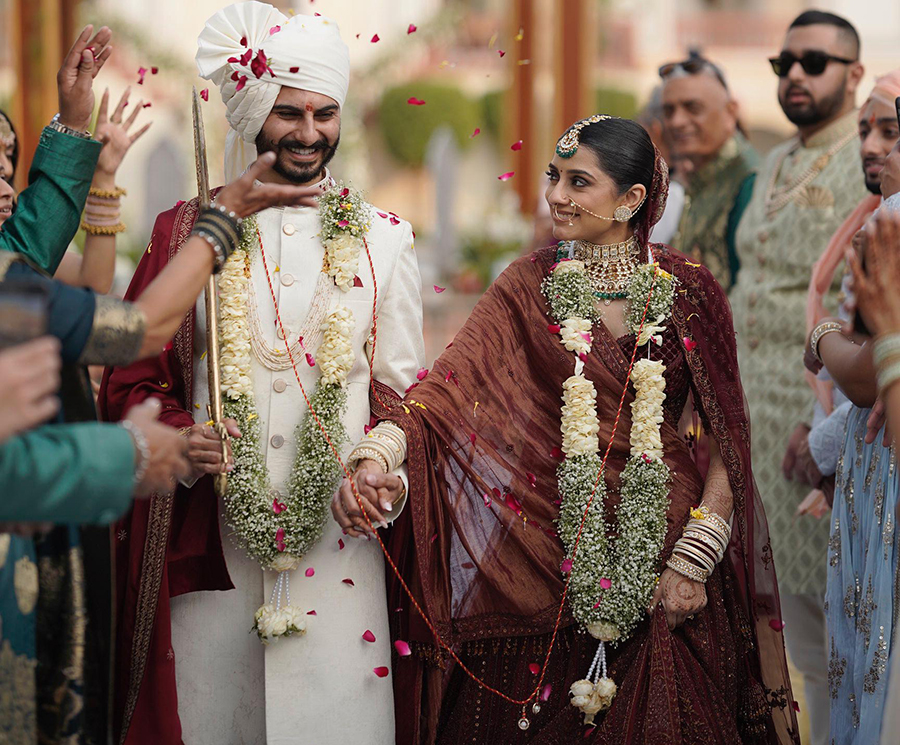
International families choose Jaipur because it delivers more than a beautiful ceremony. It offers history, hospitality, culture and celebration within one destination. A destination wedding in India becomes especially meaningful when guests can experience the location rather than simply visit a decorated ballroom. Jaipur’s genuine palaces, traditional crafts, colourful ceremonies and established luxury services create that deeper connection.
For couples dreaming of a palace wedding in India, the city offers a rare opportunity to celebrate in places shaped by real royal history. Historic properties such as The Raj Palace, City Palace, Rambagh Palace and Rajmahal Palace give Jaipur an identity that modern wedding destinations cannot easily reproduce.
With thoughtful planning, a reliable local team and a carefully selected venue, Jaipur can welcome international guests comfortably while preserving the emotional and cultural richness of an Indian wedding. The result is not merely a wedding held in another country. It is a shared journey into the traditions, colours and royal character of Rajasthan one that families and guests can remember for the rest of their lives.