 The Raj Palace · Jaipur, Rajasthan
Behind the Palace Doors
Stories of Heritage, Heart and Hospitality
Every Palace Has a Grand Façade
At The Raj Palace, history does not live only in portraits, courtyards, chandeliers and centuries-old walls. It lives in the hands of the artisans who carefully restore a fading motif, in the chef who recreates a forgotten royal recipe, in the housekeeper who knows exactly how morning light should fall across a museum suite, and in the team member who quietly finds a solution when the unexpected happens.
For nearly three centuries, the palace has witnessed royal ceremonies, family celebrations, changing seasons and generations of people who have cared for it. These are not simply stories about a hotel — they are stories about a living palace, and the people who keep its spirit alive.
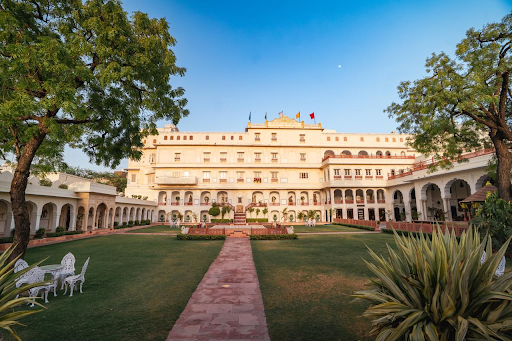
Pre-Dawn Preparation
Every morning begins hours before guests wake — flowers arranged, brass polished, courtyards swept. The daily ritual ensures the palace is always at its finest from the very first moment.
Adaptive Hospitality
When the unexpected happens — rain, a changed schedule, a last-minute request — the palace team adapts without letting guests feel any disruption. Readiness is our deepest form of hospitality.
Seamless Invisibility
The greatest service is the kind that is never noticed. Hundreds of decisions and adjustments happen every day so that guests experience only ease, beauty and the feeling of being truly cared for.
The Wall That Refused to Be Repainted
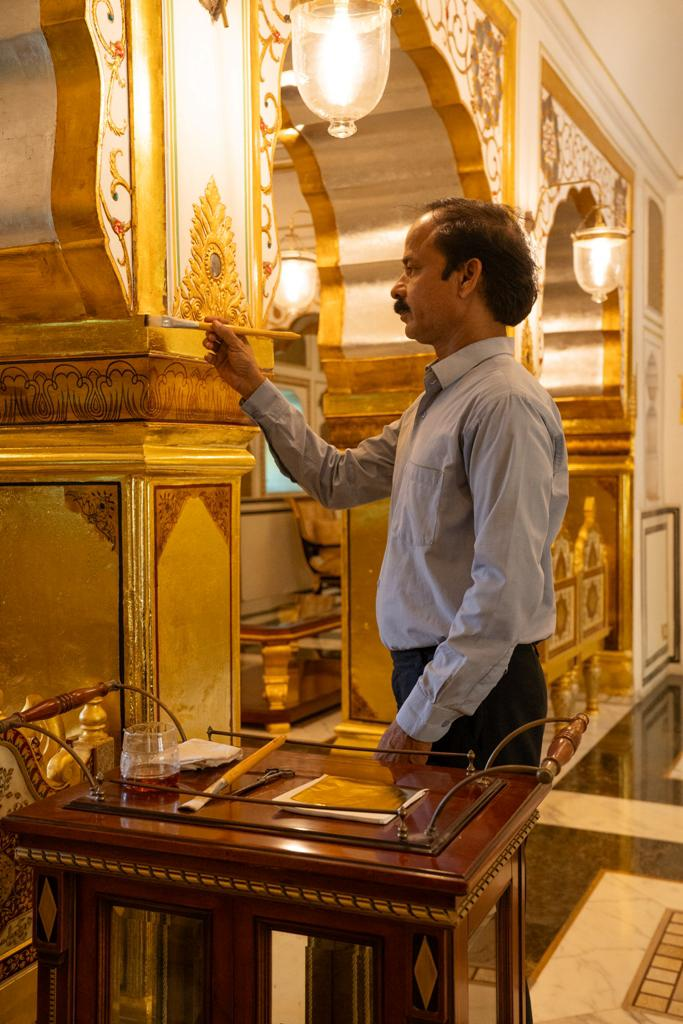
During restoration work in one of the palace rooms, a faded section of wall presented a difficult choice. The original decorative pattern had become almost invisible. Years of age, dust and changing weather had softened its colours. Repainting it would have been faster. It would also have made the room appear immediately brighter.
But the palace team chose to wait. Traditional artisans were invited to study the remaining design. Layer by layer, they examined the pigments, symmetry and brushwork. Small surviving details became clues to the larger composition. Instead of covering the old work, the artisans began the slower process of conserving it.
At The Raj Palace, restoration is not about removing every sign of age. It is about understanding which marks belong to history and which require care.
The result was not a wall that looked newly painted. It was something far more valuable — a wall that still looked historic, but could once again tell its story.

A Royal Recipe Remembered
The story began not in the kitchen, but in a conversation. A member of the family recalled a dish that had once been prepared during special occasions in the palace. The memory was vivid — the aroma of slow-cooked spices, the texture of the sauce, the vessel in which it was served — but no exact recipe had survived.
For the culinary team, this became a journey into the past. Old notes were reviewed. Traditional cooks were consulted. Ingredients and techniques associated with the royal kitchens of Rajasthan were studied. Several versions were prepared, tasted and refined. Each attempt came close, but something was missing.
Behind every royal meal is more than a kitchen. There is memory, research and the desire to keep a flavour from disappearing.
The breakthrough came from a small detail remembered from childhood: the dish had been finished over gentle heat after the main cooking was complete. The chefs tried the method. This time, the aroma itself brought recognition.
Preparing a Museum Suite
At The Raj Palace, preparing a museum suite is not merely part of hotel operations. It is an act of custodianship. And under the watchful care of Princess Jayendra Kumari, every suite continues to tell its story — not as a room frozen in the past, but as a living part of the palace.
Before a guest arrives, the suite is inspected carefully. The housekeeping team checks the smallest details: the alignment of the carpets, the condition of the fabrics, the placement of books and objects, the scent of the room and even the way the curtains frame the view. Nothing should feel staged, yet everything must feel considered. Modern comfort must also be introduced discreetly.
The objective is not to make the guest feel they are staying in a museum where nothing can be touched — it is to make them feel the palace has been personally prepared for their arrival.
Living Preservation
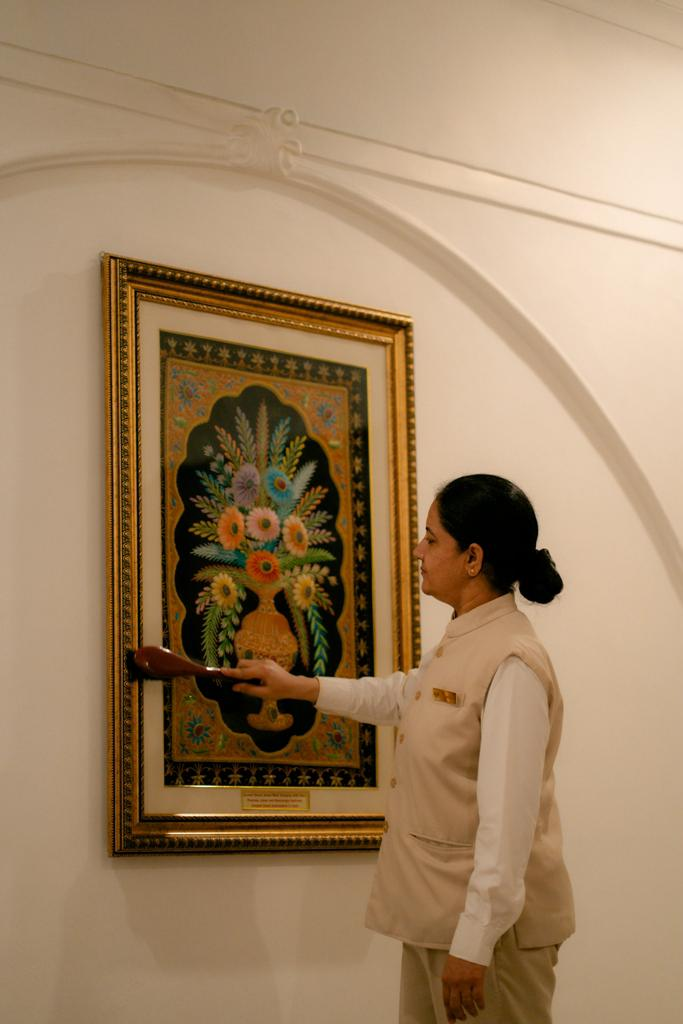
Every restored motif, every conserved fresco and every traditional technique represents the palace's commitment to preservation — not as a museum piece, but as a living, breathing heritage that guests can experience.
Culinary Memory
The Raj Palace's culinary team preserves royal recipes through research, conversation and experimentation — ensuring that the flavours of the past remain available to the guests of the present.
Suite Custodianship
Each museum suite is prepared as a personal invitation — balancing historic authenticity with modern comfort, ensuring guests feel the palace has been prepared especially for them.
The Arrival Nobody Could Rehearse
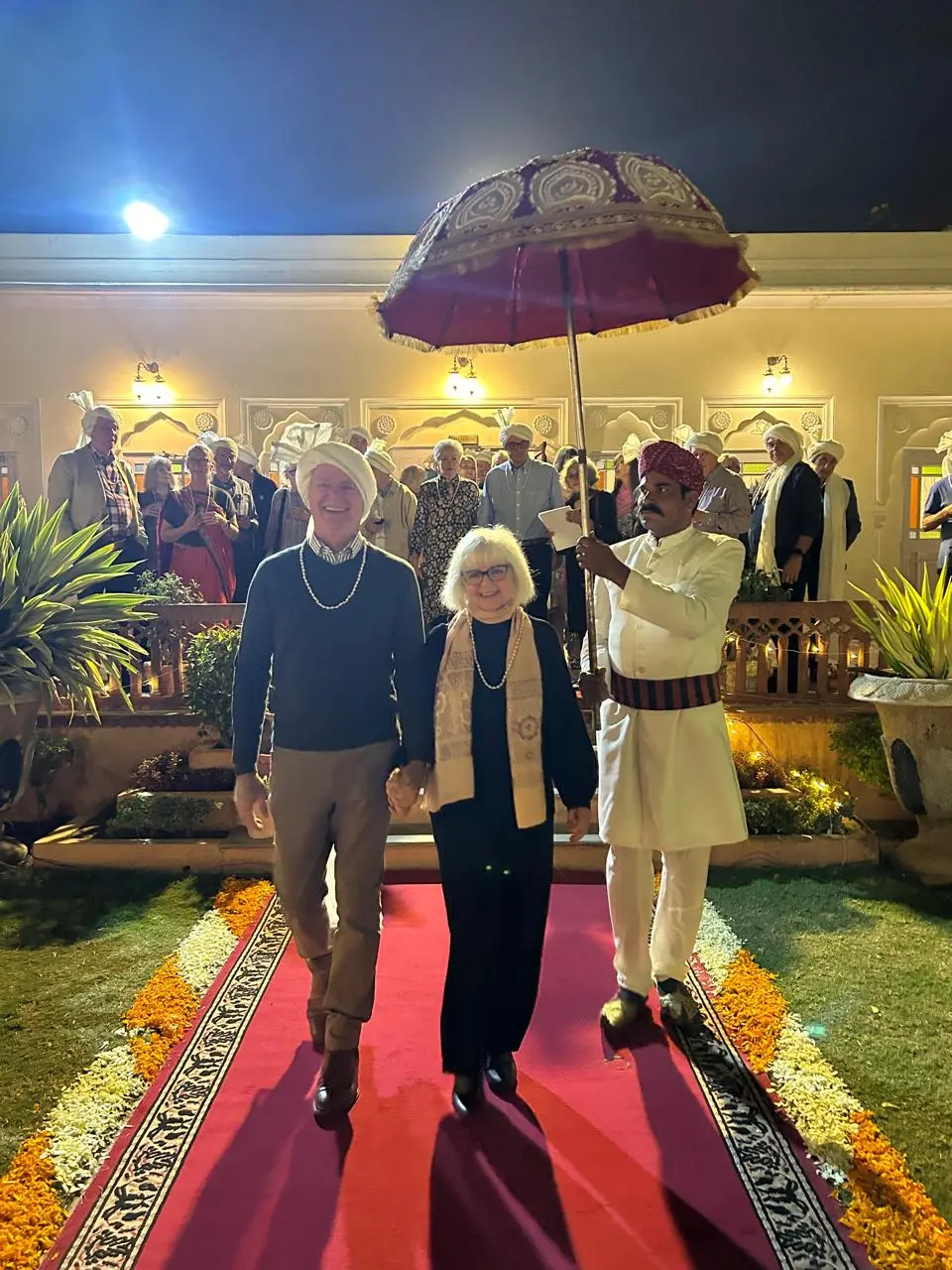
The team had prepared for an important guest arrival for several days. Routes had been checked, rooms inspected, menus discussed and welcome arrangements rehearsed. Every department understood its role. Then, shortly before the arrival, the schedule changed.
The guest would reach the palace much earlier than expected. At that moment, preparation became coordination. The front office team adjusted the reception. Housekeeping completed its final inspection ahead of schedule. The culinary team advanced the welcome service. Security, concierge, engineering and guest relations aligned without creating visible urgency.
Luxury is often associated with grand gestures. But behind the scenes, true luxury is frequently about readiness — the ability to adapt without allowing the guest to feel the pressure of the change.
When the Palace Became a Film Set
A palace has its own rhythm. A film production has another. When a major shoot takes place at The Raj Palace, the two worlds must learn to move together. Cameras, lighting equipment and production teams arrive while regular palace operations continue. Historic spaces must be protected.
Before filming begins, the team studies each location carefully. Where can equipment be placed without touching an old surface? How can cables be routed safely through a historic corridor? During filming, palace team members remain close by — not to interrupt the production, but to safeguard the building.
The palace may appear on screen for a few moments. Behind those moments are days of planning and the careful cooperation of two creative teams — one capturing history, and the other protecting it.
The Courtyard Recreated Overnight
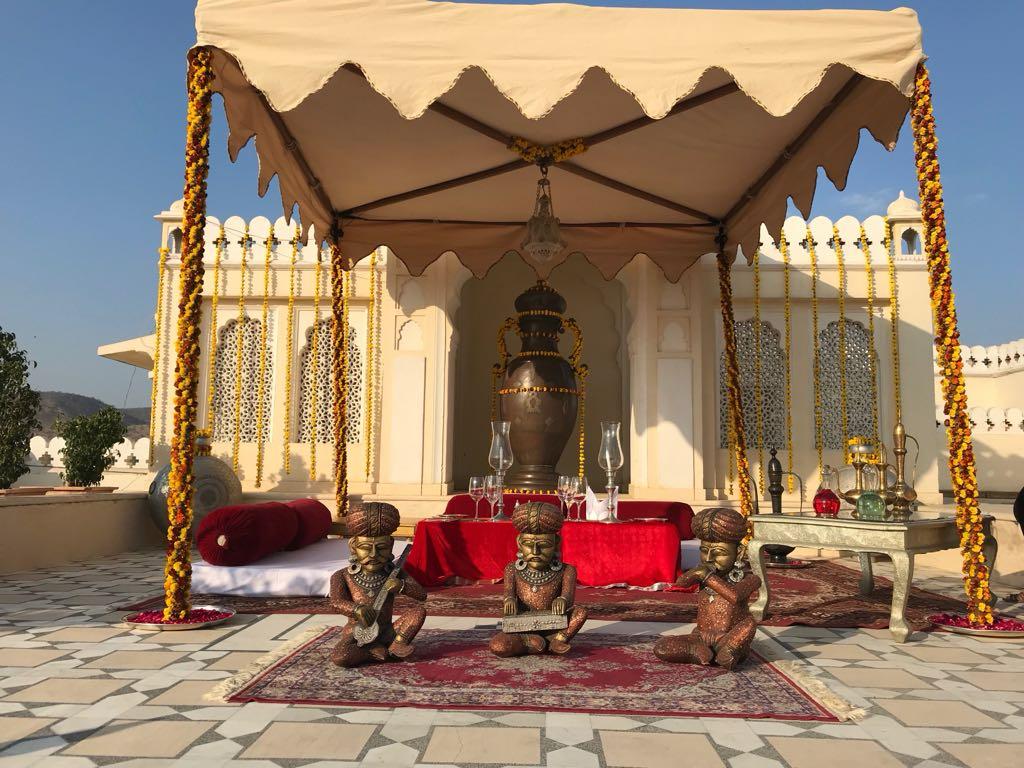
A request arrived late in the evening. A guest wished to arrange a deeply personal celebration the following day. It was not meant to be large or extravagant. It had to feel intimate, meaningful and completely unexpected for the person being honoured. The challenge was time.
The team began by understanding the story behind the occasion. Favourite flowers were identified. A particular style of music was chosen. The chef developed a menu around the guest's memories. After the palace became quiet, the courtyard began to change. Tables were repositioned. Lamps were installed. A pathway of candles was tested repeatedly to ensure that it remained elegant and safe.
Personalisation is sometimes misunderstood as adding more. At The Raj Palace, it often means listening carefully enough to create something that could belong only to one person.
Coordinated Excellence
Every department — front office, housekeeping, culinary, engineering, security — works as a single unit. Coordination happens silently, quickly, and without the guest ever sensing the effort behind it.
Deep Personalisation
From a favourite flower to a childhood flavour, personalisation at The Raj Palace goes far beyond preferences — it is about creating something that feels as though it could exist for only one person.
Heritage Protection
Whether hosting a film production or a private event, the palace's historic surfaces, artefacts and architecture are protected at all times — safeguarding the building while opening it to the world.
The People Who Know Every Sound of the Palace
Old buildings speak in their own language. A door may close differently during the monsoon. A fountain may sound slightly uneven when its water pressure changes. A chandelier may respond to a passing vibration. A centuries-old wall may reveal the first signs of moisture through a shade visible only to someone who knows where to look.
The engineering and maintenance teams at The Raj Palace understand these signs. Their work often begins before a problem becomes visible. They walk through service areas, terraces, courtyards and guest spaces, listening and observing. This balance is never simple — a modern hotel requires reliability; a historic palace requires sensitivity.
They are the quiet guardians of the palace — the people who know when a sound is normal, and when the building is asking for attention.

After the Last Guest Has Gone to Sleep
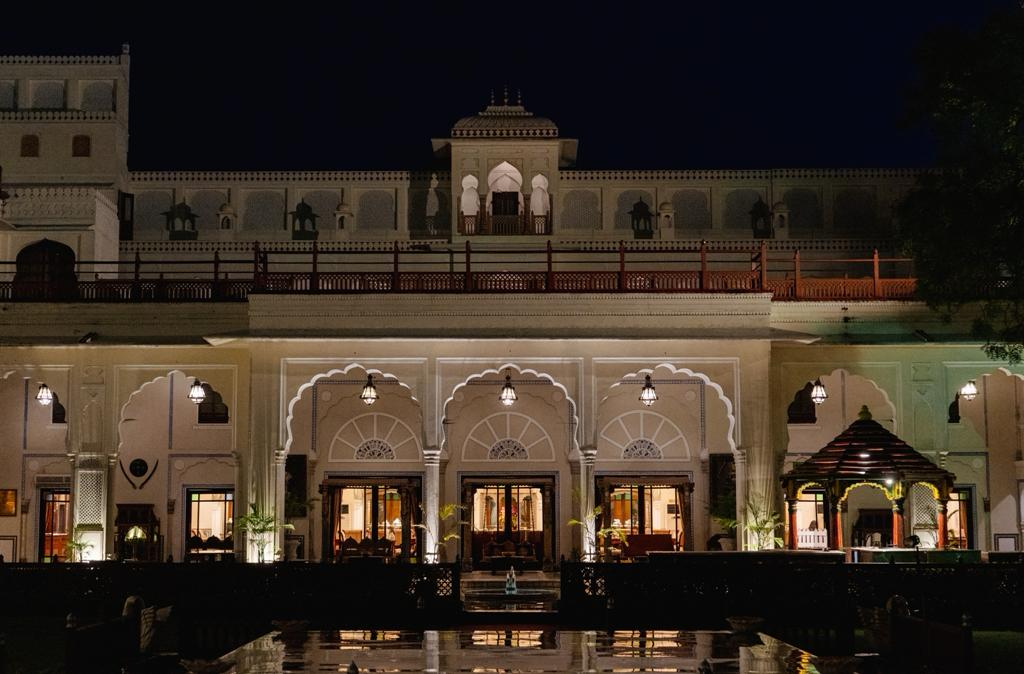
Late at night, the palace changes once again. The music fades. The restaurants become quiet. The final dinner table is cleared, and guests return to their suites. From the outside, the day appears to be complete. Behind the scenes, another shift begins.
The night team reviews the following morning's arrivals. Kitchens are prepared for breakfast. Public areas are restored after celebrations. In the courtyards, candles are extinguished one by one. A forgotten shawl is carefully labelled and kept safe. Notes are passed to the morning team so that no guest request is lost between shifts.
A palace never truly sleeps. It is continuously watched over, cared for and prepared by people whose greatest success is that their work is rarely noticed.
A 500-Guest Wedding in One Day
Preparing a wedding for 500 guests in just one day is a true test of teamwork. From early morning, the banquet, culinary, housekeeping, engineering, security and décor teams work together to transform the palace. Lawns are prepared, lights are installed, kitchens begin production, guest routes are planned and every detail is checked.
At the same time, the hotel continues to serve its resident guests — seamlessly, without disruption. By evening, the palace is ready. The flowers are in place, the food stations are prepared, the music begins and hundreds of guests are welcomed with ease.
What looks effortless from the outside is the result of precise planning, quick decisions and an entire palace working as one team.

Night Rounds
Security teams, engineering staff and housekeeping crews move through the palace after midnight — completing checks, restoring spaces and preparing for the morning, so every new day begins perfectly.
Continuous Monitoring
Modern systems and trained eyes monitor the palace around the clock — ensuring that the comfort of each guest room, the condition of each historic surface and the function of every amenity is always maintained.
Shift Handovers
No guest request, no preference, no special note is ever lost between teams. Careful handover notes pass from night to morning so that every member of every department continues the story seamlessly.
More Than a Stay — A Living Palace
Behind every arrival, celebration, meal and quiet moment at The Raj Palace is a story of human effort. The Raj Palace is not preserved by standing still. It is preserved through constant care, thoughtful adaptation and the dedication of people who understand that they are responsible for something larger than a hotel.
Discover Our History Book a Stay